Pages: 320
ISBN: 9789464271744
Pub Date: October 2026
Imprint: Sidestone Press
Illustrations: 102fc / 28bw
Introductory Offer:
£55.00
RRP: £60.00
Not yet published
Pages: 320
ISBN: 9789464271751
Pub Date: October 2026
Imprint: Sidestone Press
Illustrations: 102fc / 28bw
Introductory Offer:
£115.00
RRP: £120.00
Not yet published
You will be redirected to our distribution partners, Pen & Sword Books, to complete your purchase.
Description:
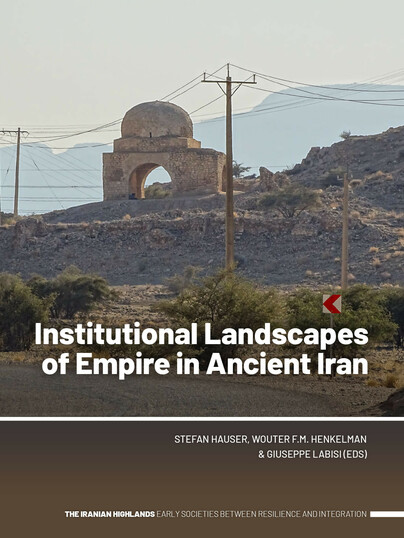
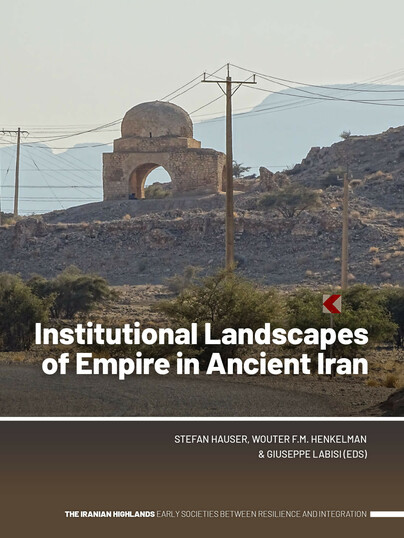
This volume, containing the proceedings of a conference held in July 2022 in Istanbul, addresses and refines the concept of ‘institutional landscapes’ as they were created in Iran by the Achaemenid and Sassanian empires (with an excursus into the Ilkhanid period). It describes large-scale transformations of the physical landscape in terms of hydrological infrastructure, roads, large-scale plantations and settlement structures.It addresses specific nodes in the administrative network and associated forms of control such as estates, fortresses and fire temples. It wides the scope of the concept of institutional landscapes to manifestations of authority in the form of monumental architecture but also in that of agents of the crown roaming the countryside. The conference and the present volume are the fruits of the DFG-funded Iranian Highlands program (SPP 2176); they bear witness to the enduring and productive cooperation between Iranian and non-Iranian scholars of ancient Iran.This book is the fourth volume of a series published by the German-Iranian research cooperation “The Iranian Highlands: Resiliences and Integration in Premodern Societies”. The goal of the research project is to shine a new light on communities and societies that populated the Iranian highlands and their more or less successful strategies to cope with the many vagaries, the constant changes and risks of their natural and humanly shaped environments.
This volume, containing the proceedings of a conference held in July 2022 in Istanbul, addresses and refines the concept of ‘institutional landscapes’ as they were created in Iran by the Achaemenid and Sassanian empires (with an excursus into the Ilkhanid period). It describes large-scale transformations of the physical landscape in terms of hydrological infrastructure, roads, large-scale plantations and settlement structures.It addresses specific nodes in the administrative network and associated forms of control such as estates, fortresses and fire temples. It wides the scope of the concept of institutional landscapes to manifestations of authority in the form of monumental architecture but also in that of agents of the crown roaming the countryside. The conference and the present volume are the fruits of the DFG-funded Iranian Highlands program (SPP 2176); they bear witness to the enduring and productive cooperation between Iranian and non-Iranian scholars of ancient Iran.This book is the fourth volume of a series published by the German-Iranian research cooperation “The Iranian Highlands: Resiliences and Integration in Premodern Societies”. The goal of the research project is to shine a new light on communities and societies that populated the Iranian highlands and their more or less successful strategies to cope with the many vagaries, the constant changes and risks of their natural and humanly shaped environments.