By Tony Lee Moral, author of A Century of Hitchcock
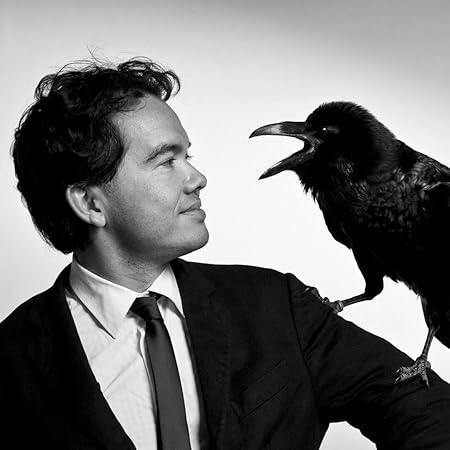
For almost thirty years, I have been researching, writing about, and speaking with the people who worked closest to Alfred Hitchcock.
Over that time, I’ve interviewed many of the collaborators who helped bring his films to life: actors, assistant directors, costume designers, producers, technicians and crew members who spent long days with him on set. Their memories, along with extensive archival research, form the backbone of my latest book, A Century of Hitchcock, published this spring to mark the centenary of Hitchcock’s first film, The Pleasure Garden (1925).
The anniversary offers a rare opportunity to step back and reassess Hitchcock’s extraordinary career. Few filmmakers have had such a lasting influence on cinema. His storytelling techniques – visual suspense, psychological tension, and precise visual design – continue to shape the language of film today. Directors from Christopher Nolan to Park Chan-wook still draw inspiration from his work.
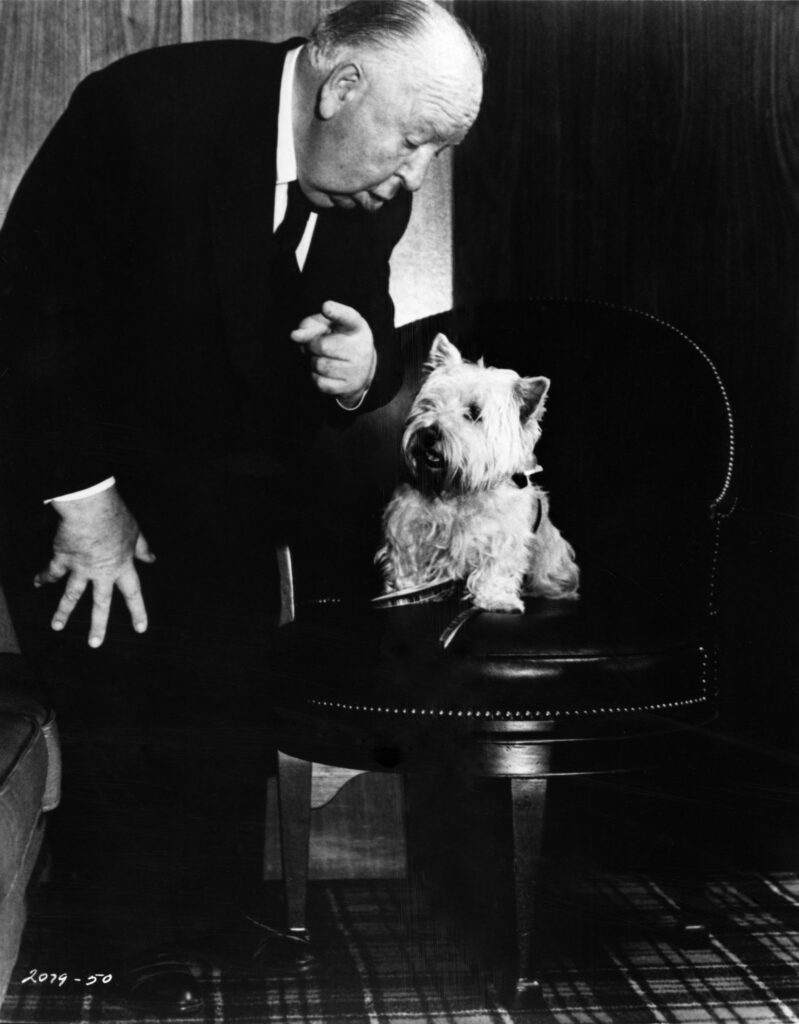
Yet Hitchcock’s reputation has also been shaped by a darker narrative that emerged after his death. For decades, stories portraying him as an authoritarian or manipulative figure have circulated widely in popular culture. Many readers and film fans now know Hitchcock as much for these stories as for the films themselves.
During the research for A Century of Hitchcock, I revisited many of these claims through archival sources and first-hand testimony. What I found was often far more complex, and in many cases very different, from the sensational narrative that has taken hold.
The people who worked with Hitchcock most closely frequently describe a director who was meticulous, highly prepared and deeply professional. His famous storyboards meant that every camera move and edit was planned. This level of preparation gave his productions a rare sense of clarity and stability. In an industry known for chaos and last-minute improvisation, Hitchcock’s sets were often remarkably efficient.
Many collaborators also recalled a director who valued loyalty and consistency. The same technicians, designers and assistants returned to work with him repeatedly over decades. Their recollections paint a picture of a filmmaker who inspired both respect and long-term collaboration.
This does not mean Hitchcock was without flaws. Like many great artists he could be demanding, intensely private and sometimes mischievous in his humour. But the historical record suggests that some of the darker legends surrounding him grew through repetition rather than direct evidence.
One example is the well-known story of a supposed “practical joke” involving a prop man being handcuffed and left in a studio warehouse overnight. When I examined contemporary testimony through sources such as the British Entertainment History Project, the story appeared far less sinister than later retellings suggested. Over time, anecdote had gradually transformed into accepted fact.
This pattern, stories evolving and hardening into myth, is one of the themes explored in A Century of Hitchcock. It is not about defending Hitchcock uncritically. Instead, it is about understanding how reputations are shaped, particularly when a cultural figure becomes as iconic as he did.
The centenary of Hitchcock’s filmmaking career arrives at a moment when audiences are rediscovering his work. His films continue to dominate critical polls and retrospectives. Streaming platforms and film schools regularly introduce new generations to Rear Window, Vertigo and Psycho. In this context, revisiting the full story of Hitchcock’s life feels especially timely.
After spending a quarter century researching Hitchcock, what continues to fascinate me most is how modern his work still feels. His mastery of visual storytelling, his understanding of audience psychology and his meticulous craftsmanship remain unmatched. A hundred years after his first film, Alfred Hitchcock remains a living influence on the art of cinema. And perhaps that is the most compelling reason his story still matters today.
Tony Lee Moral is the author of five books on Alfred Hitchcock. His latest book, A Century of Hitchcockis published by the University Press of Kentucky on June 9th.
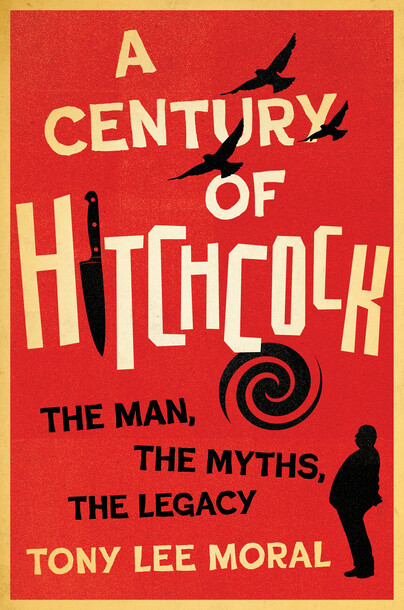
Hardback • 16 b&w illustrations • £25.50
 Follow